The Evolution of TV Repairs: Emerging Trends and Industry Innovations
The landscape of TV repairs is changing, driven by smart technology and artificial intelligence. Service experts are confronted with acquiring updated expertise as modern televisions grow more sophisticated. Meanwhile, DIY solutions are gaining traction, supported by mobile apps and community forums. Green repair methods are increasingly being adopted, promoting eco-friendly repairs. As these trends unfold, we should reflect on how they will redefine service standards and customer expectations moving forward.
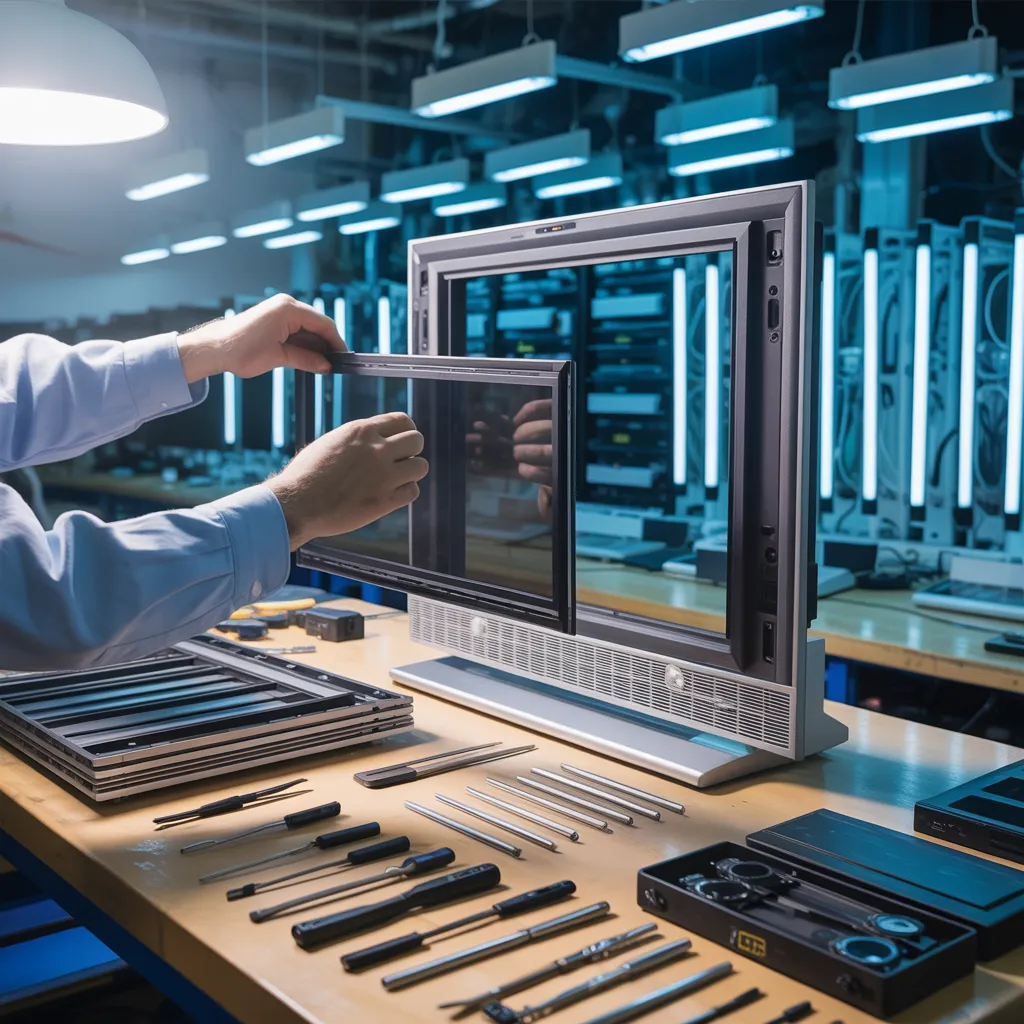
The Influence of Smart Technology on TV Repairs
As smart technology continues to evolve, its effect on TV repair services has become more prominent. Modern televisions, equipped with advanced features and connectivity options, have changed the landscape of repair services. Service technicians today deal with numerous smart capabilities, including streaming capabilities, integrated applications, and network connectivity, all of which require specialized knowledge for effective diagnostics and repairs.
In addition, advanced technology facilitates remote troubleshooting, empowering repair specialists to detect faults without a physical visit. This not only minimizes repair delays but also boosts client satisfaction. Nevertheless, the advanced design of smart TVs introduces hurdles; professionals must consistently refresh their knowledge to stay current with fast-moving developments.
Furthermore, the abundance of digital resources and community forums facilitates the exchange of knowledge among skilled technicians, cultivating a cooperative environment for tackling difficult repair issues. Thus, advanced technology is revolutionizing the television repair industry, underscoring the demand for flexibility and specialized knowledge in an rapidly advancing industry.
The Impact of Artificial Intelligence on TV Diagnostics
Artificial intelligence is transforming TV diagnostics by improving the accuracy of fault detection. Using cutting-edge algorithms, AI can evaluate performance data and pinpoint faults more dependably than standard techniques. Furthermore, AI-powered predictive maintenance solutions can forecast potential failures, reducing downtime and repair expenses.
Improved Diagnostic Precision
Although conventional diagnostic approaches frequently depend on technician expertise, the integration of artificial intelligence has substantially advanced the precision and effectiveness of TV diagnostics. AI-driven systems can examine extensive datasets from user submissions, maintenance histories, and hardware behaviors, enabling precise identification of faults. By employing advanced machine learning processes, these systems consistently enhance their diagnostic performance, adapting to new models and technologies as they emerge. This evolution minimizes the time needed for diagnostics and minimizes the risk of human error. Furthermore, AI-driven diagnostics can provide technicians with actionable insights, optimizing the repair workflow. As a result, clients experience expedited and more consistent service, profoundly changing the way television repairs are handled in an increasingly complex technological landscape.
Predictive Maintenance Solutions
Leveraging the potential of artificial intelligence, predictive maintenance solutions are revolutionizing TV diagnostics. These advanced systems analyze historical performance data and real-time usage patterns to predict potential failures before they occur. By employing machine learning algorithms, they recognize anomalies that could indicate underlying issues, empowering technicians to tackle problems preemptively. This move from reactive to predictive maintenance limits downtime and lowers repair costs. Furthermore, AI-driven diagnostics improve customer satisfaction by guaranteeing a seamless viewing experience. As the industry moves forward to embrace these developments, the integration of predictive maintenance will probably become standard practice, dramatically reshaping the landscape of TV repairs and maintenance, while prolonging the lifespan of devices.
DIY Solutions: Tools and Apps for TV Repairs
More and more people are embracing self-service approaches to fixing TVs, driven by the rapid growth of specialized tools and mobile applications. Such advancements enable individuals to tackle common issues without professional assistance. Various tools, such as multimeters and soldering kits, have become more accessible, enabling hobbyists to diagnose problems effectively. Digital apps deliver how-to videos, guided walkthroughs, and troubleshooting resources, transforming the repair experience into a more approachable endeavor.
Community discussion boards and social media networks significantly improve the DIY experience, allowing users to share insights and solutions. Given the growing popularity of augmented reality technology, people can see repair processes unfold instantly, improving accuracy and confidence. This movement toward self-directed repairs not only cuts expenses but also builds a feeling of achievement. As innovation keeps progressing, the landscape of TV repairs is increasingly influenced by the DIY movement, indicating a profound change in how consumers approach repairs.
Can DIY Methods Be Effective for TV Repairs?
How effective are DIY solutions for TV repairs? The success of DIY solutions differs significantly, depending on the type of issue and the individual's technical skill. Numerous typical issues, including small screen irregularities or connection problems, may regularly be addressed with fundamental tools and web-based resources. Individuals armed with proper expertise and equipment may effectively resolve problems, potentially saving on repair costs.
Nevertheless, greater challenges, like, internal hardware failures or intricate software malfunctions, might present hurdles that go beyond the average DIYer's abilities. Under these circumstances, inadequate fixes can lead to further damage, resulting in higher repair costs or the need for complete replacement. Additionally, the warranty status of a television can be jeopardized by unauthorized service attempts. At the end of the day, while DIY solutions can work well for some scenarios, discretion and a firm understanding of personal limitations prove vital for positive results.
Going Green: Environmentally Friendly TV Repair Solutions
Incorporating sustainable repair options for televisions has gained significant traction as consumers become more environmentally conscious. Repair facilities are progressively embracing sustainable practices, such as using eco-conscious materials and eco-friendly solvents, which decrease hazardous byproducts. Numerous repair specialists now focus on restoring parts instead of swapping out whole devices, extending the life of televisions and decreasing the accumulation of electronic refuse.
Additionally, several businesses run return programs, enabling consumers to hand in old TVs for proper recycling. This helps prevent landfill overflow but also makes certain that important components are salvaged and recycled. Because of this, the industry witnesses a surge in connections between maintenance shops and recycling centers, promoting a closed-loop economy.
Moreover, producers are beginning to develop TVs with greater disassembly ease in mind, enhancing repairability and reducing environmental impact. These trends signify a unified transition towards eco-friendly practices, connecting the industry with wider sustainability goals while appealing to the sustainability-minded consumer.
DIY versus Professional Repairs: Which Choice Is Best for You?
The increasing interest in sustainable repair alternatives has caused many individuals to evaluate the best approach for addressing television issues. Deciding between DIY repairs and professional services often depends on one's technical abilities, confidence, and the specific issue at hand. Self-repair options may be attractive for individuals with technical expertise, as they deliver monetary savings and a feeling of achievement. Nevertheless, such approaches come with potential drawbacks, such as risks of harming the television or sustaining personal injuries.
Conversely, expert repairs offer specialized knowledge and are usually supported by warranties, making certain that the television is treated with care and precision. This choice is especially recommended for intricate problems or premium models. Ultimately, the decision copyrights on balancing personal capability with the potential risks and rewards. Customers should assess their familiarity with technology and reflect on the lasting consequences when choosing between self-repairs and professional services.
The Future of TV Repairs? Upcoming Trends and Innovations
As technology keeps advancing, the future of TV repairs is set to undergo substantial shifts driven by advancements in smart technology and sustainability. Emerging innovations are anticipated to center around modular designs, allowing consumers to replace individual components rather than entire units, consequently increasing the longevity of their televisions. Additionally, augmented reality technology may empower specialists to assess faults without being on-site, enabling faster and more precise servicing.
The integration of artificial intelligence (AI) in troubleshooting processes may simplify repairs by evaluating issues and recommending fixes grounded in historical data. Moreover, an increasing emphasis on eco-friendly practices may lead repair companies to adopt sustainable materials and helpful tips recycling initiatives.
As the industry evolves, consumers can anticipate enhanced service options and enhanced accessibility to repair resources, ultimately reshaping how repairs are approached in this rapidly evolving technological landscape.
Common Questions and Answers
What Is the Typical Cost of TV Repair?
A standard TV repair cost spans from $50 to $300, based on the kind of TV and the nature of the problem. Labor and parts greatly influence the total cost, shaping the total repair expenditure.
What Typical Problems Can Be Fixed in Older TV Models?
Typical complications in older TV models include screen flickering, power failures, sound malfunctions, and connectivity problems. Technicians often address these by replacing capacitors, fixing circuit boards, or updating internal components to ensure the television operates reliably once again.
How Long Does a Standard TV Repair Take?
A standard TV repair typically takes one to three hours on average, depending on the issue's complexity and parts availability. More intricate problems may require additional time, particularly when specialized parts must be sourced.
Is It Worth Repairing a Broken TV?
Determining whether to fix a damaged TV usually copyrights on weighing the expense of repair against buying a new unit. In most cases, if the cost of repairs goes beyond half the price of a new model, opting for a replacement is likely the smarter option.
What Warranty Options Are Available for TV Repairs?
Several warranty options for TV repairs are offered, including warranties from manufacturers, long-term service agreements, and third-party coverage. These options commonly range in timeframe and protection, providing customers protection against defects and repair costs for their TV sets.